China Top Scissor Lift vs Other Lifts How to Choose?

Time:2026-10-08 Author:Oliver
0%

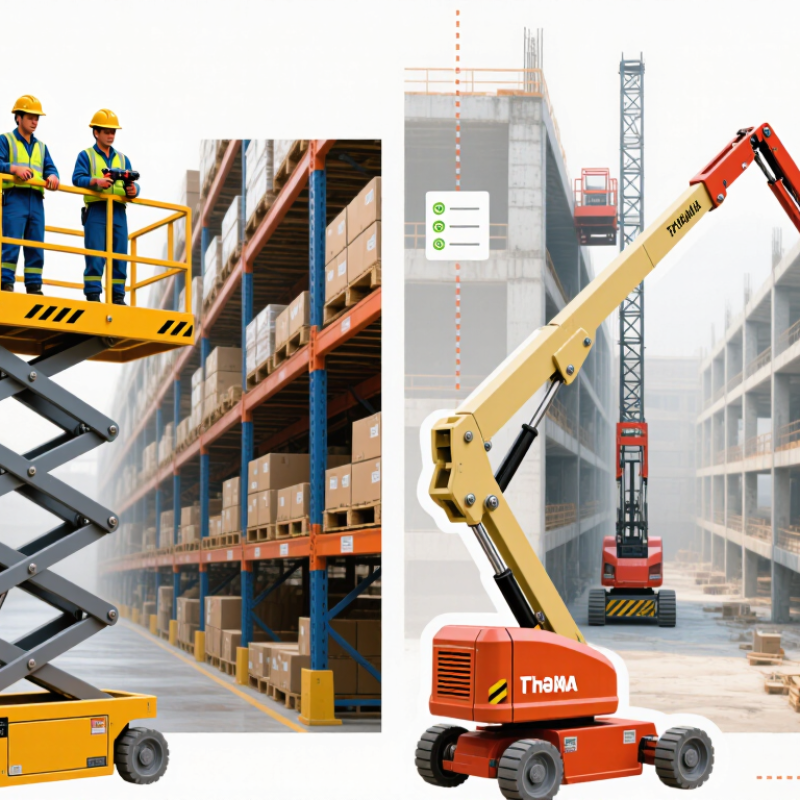
Choosing a powered access platform is rarely a simple comparison of height and price. China’s leading scissor lifts compete with boom lifts, vertical mast lifts, and telescopic platforms, but each structure solves a different site problem. A scissor lift moves vertically on a stable platform, while a boom lift reaches over obstacles. That difference matters beside a warehouse rack, facade, or uneven construction slab.

Industry data supports careful selection. Grand View Research identifies construction, warehousing, and maintenance as major drivers of the global aerial work platform market. The International Powered Access Federation also reports that operator training, pre-use inspection, and proper machine selection remain central to safe equipment use. These findings are practical, not decorative. A 10-meter scissor lift may provide a wide deck for two workers and tools, yet it cannot replace a boom lift when workers must reach across a roof edge.

So, How to choose between scissor type and other lifting structures? Start with the work envelope, not the brochure headline. Measure required platform height, horizontal reach, floor strength, doorway width, turning radius, and outdoor wind exposure. Check rated load with tools included. Confirm battery endurance for a full shift. Small details matter: a 1.2-meter aisle can reject an otherwise excellent machine.

Price still matters. Reliability matters more.

Chinese manufacturers may offer competitive pricing, faster customization, and broad electric or rough-terrain options. However, “top” should mean verified performance, service support, spare-parts availability, and documented compliance. Reports and certificates deserve checking. A polished specification sheet can still hide unsuitable tires, limited duty cycles, or weak local support. The best lift is not the tallest one; it is the safest structure that completes the actual task efficiently.
China Top Scissor Lift vs Other Lifts How to Choose?

Scissor Lift Basics: 6–18 m Working Heights and 230–1,000 kg Capacities

China Top Scissor Lift vs Other Lifts How to Choose?

Scissor Lift Basics: 6–18 m Working Heights and 230–1,000 kg Capacities

A scissor lift suits vertical work on firm, level surfaces. Common models cover 6–18 metres of working height and support 230–1,000 kilograms. Working height includes the operator’s reach, not only the platform elevation. A 10-metre task may therefore require a lower platform than expected.

Capacity must include workers, tools, cables, and materials. Two technicians, a drill, and glass panels can quickly exceed the rated load. Platform size also matters. A wider deck improves comfort, but it may reduce access through narrow doors. For indoor maintenance, electric models usually reduce noise and emissions. Rough-terrain work needs stronger tyres, stabilisation, and ground clearance.

Scissor lifts move vertically. Boom lifts reach over obstacles and around structures. Vertical mast lifts fit tighter spaces, but usually carry less. The IPAF Global Safety Report 2024 recorded 118 reported fatalities involving powered access equipment in 2023. Falls, overturning, and entrapment remain recurring risks. Ground checks, guardrails, training, and daily inspections are practical safeguards.

Do not choose from height alone. Check the surface, doorway width, wind exposure, load distribution, and duty cycle. A 1,000-kilogram rating does not mean every position is equally stable. That assumption is easy to make, and sometimes costly. Consult the manufacturer’s load chart and applicable local standards before rental or purchase.

China Scissor Lifts vs Boom, Mast, and Telescopic Lifts: Key Differences

Choosing a lift starts with the work area, not the machine’s advertised height. In site assessments, I check floor strength, access width, wind exposure, and the materials workers must carry.

A scissor lift moves straight upward on a stable platform. It suits indoor maintenance, warehouse lighting, and broad, level surfaces. Its platform offers useful room for tools, but it needs clear space around the base. Uneven ground can create serious stability concerns.

I once underestimated doorway clearance during a replacement job. That mistake cost time and required a different access plan.

Boom lifts provide horizontal outreach and can reach over equipment, walls, or obstacles. Articulating models handle complex positions, while telescopic models deliver longer, straighter reach. They usually need more operating space and careful control near overhead hazards.

Mast lifts are narrower and easier to position in corridors, but their working platforms are smaller. They work well for light indoor tasks. Not for heavy materials.

Chinese scissor lifts can offer practical configurations for varied projects, but specifications require close checking. Compare rated capacity, platform dimensions, gradeability, emergency lowering, battery performance, and service documentation. Do not rely on height alone. A machine reaching twelve meters may still fail the job because its platform cannot pass a narrow gate. Operator training, daily inspections, and local compliance checks remain essential. The cheapest option may become expensive when charging time, transport, or maintenance is ignored.

Compare ANSI A92.20 and EN 280 Safety, Load, Wind, and Gradeability Data

China Top Scissor Lift vs Other Lifts: How to Choose?

When comparing scissor lifts, start with ANSI A92.20 or EN 280 compliance. These standards address stability, guarding, emergency lowering, platform controls, and structural strength. They are not interchangeable labels. ANSI A92.20 is widely used in North America, while EN 280 supports European market requirements. Check the certificate, testing scope, and machine data plate, not only a sales brochure.

Load capacity must include workers, tools, and materials. A 500-kilogram rating can disappear quickly with two technicians and a heavy panel. Wind limits also matter. Many outdoor models are designed around wind speeds near 12.5 m/s, but the approved value depends on the model and configuration. Indoor machines may have different limits. Gradeability is often misunderstood. The driving slope rating is not the same as the safe working slope when elevated. A level sensor, slope alarm, and manufacturer limits should be checked together.

Tips: Compare the same test conditions. Ask for rated load, wind speed, maximum slope, platform height, and machine weight. Measure the worksite surface, including ramps and floor gaps. A spreadsheet may look exact, yet one missing battery option can change axle loads and transport planning. I would also recheck local site rules before purchase. Standards guide design; trained operators still control daily risk.

Evaluate Purchase Cost, Energy Use, Maintenance, and 8–12-Year Service Life

China Top Scissor Lift vs Other Lifts: How to Choose?

Purchase price is only the entry ticket. Compare a scissor lift with boom, mast, and vertical lifts using total cost of ownership. The IEA’s Energy Efficiency 2023 report states that electric motor systems consume more than half of global electricity. For a battery scissor lift, measure charging energy per shift, not only battery voltage. Record electricity tariffs, charging losses, and idle time. A compact electric model usually needs less energy than a rough-terrain lift, but it may lose value on uneven outdoor sites.

Maintenance decides whether an 8–12-year service life is realistic. Check hydraulic hose quality, cylinder sealing, battery replacement intervals, controller support, and spare-part availability. IPAF’s Global Safety Report 2024 recorded 118 powered access fatalities during 2023. That figure is not a cost statistic, but it shows why inspections and operator training deserve budget priority. Ask for service records, load-test procedures, and documented fault codes before purchase. Some suppliers promise long service life. Promises are not evidence.

Build a lifecycle worksheet with purchase cost, transport, charging, tires, batteries, inspections, repairs, and downtime. Use local prices for honest results. A cheaper lift can become expensive after one unavailable controller causes several idle days. A higher-priced unit may repay the difference through stronger corrosion protection and simpler maintenance. Yet spreadsheets can still lie. Actual utilization, dust, temperature, floor conditions, and operator habits can change the result sharply. A trial on your real site is worth more than a polished brochure.

Choose by Height, Indoor or Outdoor Use, Ground Conditions, and Job Risks

Choosing a China top scissor lift versus another lift starts with working height. Measure the platform height, not just the advertised maximum. Add operator reach and clearance around beams, lights, or sprinkler pipes. Scissor lifts provide a stable, vertical work area. Boom lifts reach over obstacles, while vertical mast lifts suit narrow indoor aisles.

Indoor and outdoor conditions change the decision. For warehouses, choose electric power, non-marking tires, and a compact turning radius. Check door widths before delivery. Outdoors, rough-terrain models need stronger tires, higher ground clearance, and suitable grade capability. A smooth-looking yard may hide soft soil after rain. That detail matters.

Ground conditions deserve a close inspection. Confirm the surface can support the machine’s wheel loads. Use stabilizing measures only when approved by the equipment instructions and site assessment. Wind exposure also matters, especially on open platforms. A taller lift is not automatically better. On a busy construction site, consider falling objects, nearby vehicles, overhead lines, and emergency access. A pre-use inspection should cover guardrails, emergency lowering, brakes, alarms, tires, and leaks. Keep it simple.

Job risk may favor a boom lift when the worker must reach sideways. A scissor lift is often safer for repeated vertical tasks, but only within its rated capacity. Never treat a larger platform as extra storage. I have seen planning fail because material weight was guessed. Recheck the load, floor condition, and operator training before choosing. Specification sheets help, but a site walk reveals what brochures miss.

FAQS

What should I check before comparing scissor lifts?

Check ANSI A92.20 or EN 280 compliance, depending on the market. Review certificates, testing scope, and the machine data plate. Do not rely only on a sales brochure. Labels can hide useful limits.

How should rated load capacity be calculated?

Include workers, tools, batteries, and materials. Two technicians and a heavy panel can quickly exceed a 500-kilogram rating. Never treat unused platform space as extra storage. Recheck the actual load.

Are wind limits the same for every lift?

No. Many outdoor models allow wind near 12.5 m/s, but the approved limit depends on configuration. Indoor machines may have different restrictions. Open platforms need extra attention.

What is the difference between driving slope and working slope?

Driving slope describes travel capability, usually with the platform lowered. Working slope describes safe operation while elevated. Check the slope alarm, level sensor, and manufacturer limits together. They are not interchangeable.

How do I choose between indoor and outdoor models?

Indoor work usually favors electric power, non-marking tires, and a compact turning radius. Measure door widths before delivery. Outdoor sites may require rough-terrain tires and greater ground clearance. Soft soil can appear firm after a dry morning.

Which lift suits narrow indoor aisles?

A compact vertical mast lift may suit narrow aisles and tight turning areas. A scissor lift provides a wider, stable vertical platform. A boom lift helps when sideways reach is necessary. The aisle layout decides more than the advertised height.

What ground conditions must be assessed?

Inspect floor strength, wheel-load capacity, ramps, gaps, and soft areas. A smooth yard may hide weak soil after rain. Use stabilizing measures only when approved and properly assessed. I might trust a visual inspection too quickly.

What should a pre-use inspection include?

Check guardrails, emergency lowering, brakes, alarms, tires, leaks, and platform controls. Confirm the surface and weather remain suitable. Review operator training and emergency access. Keep the checklist practical.

Conclusion

Choosing the right lifting equipment starts with understanding the work environment and required performance. Scissor lifts typically provide stable vertical access, with working heights of about 6–18 meters and rated capacities from 230 to 1,000 kilograms. Compared with boom, mast, and telescopic lifts, they generally offer a larger platform and strong load stability, while other structures may provide greater horizontal reach or access to difficult angles. How to choose between scissor type and other lifting structures depends on height, reach, platform space, indoor or outdoor operation, floor conditions, and the risks involved in each task.

A practical comparison should include safety requirements under ANSI A92.20 and EN 280, including rated load, wind resistance, gradeability, emergency systems, and operating limitations. Buyers should also assess purchase price, energy consumption, maintenance access, replacement parts, and an expected service life of 8–12 years. For smooth indoor floors and vertical installation work, a scissor design may be efficient; uneven ground, obstacles, or elevated side access may call for another lifting structure.

Oliver

Oliver

Oliver is a seasoned marketing professional with a wealth of expertise in driving brand awareness and engagement. With a deep understanding of our company's product offerings, he consistently delivers high-quality content that enriches our professional blog. His insights not only shed light on......