Electric lifting platforms draw energy during travel, lifting, lowering, and periods of standby. The amount varies with platform design, load, surface, battery condition, and work pattern. A scissor lift repeatedly moving between floor levels may use power differently from a boom lift crossing a large work area. Small habits matter.
This guide explains how to reduce energy consumption of electric lifting platforms without compromising safe operation. It focuses on practical steps: planning routes to limit unnecessary travel, matching platform capacity to the task, avoiding prolonged idle time, and following the manufacturer’s charging guidance. Operators can also check for warning signs, such as sluggish movement, damaged cables, unusual motor noise, or batteries that lose charge quickly. Record charge levels and operating hours; simple logs can reveal patterns that memory misses.
Maintenance matters, but adjustments should follow the equipment manual and be handled by trained personnel where required. Tire condition, hydraulic leaks, and electrical faults can affect performance, yet not every rise in energy use points to a defect. Site conditions and cold weather may also play a part. Measure before changing settings. Some savings are modest, and results differ between machines. Regular checks and careful work planning offer a credible starting point, while performance data helps teams decide what to improve next.
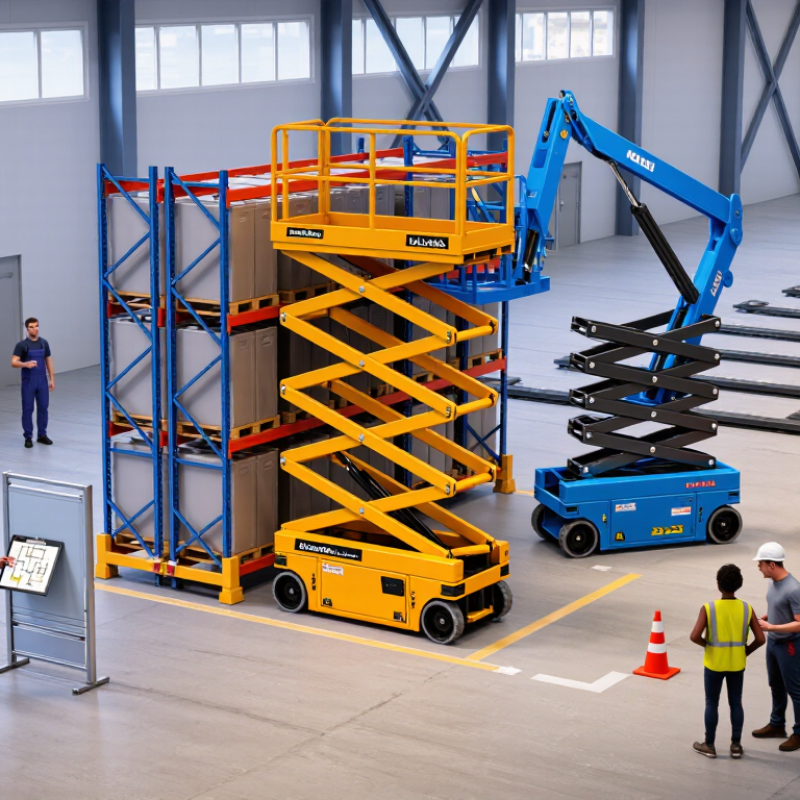
Understanding energy consumption in electric lifting platforms starts with the work of raising a load. A useful baseline is load mass, vertical travel, and operating frequency. The IEA’s 2011 analysis estimates that motor-driven systems use about 45% of global electricity. This figure spans many industries; it is not a platform-specific benchmark.
For example, lifting 1,000 kilograms by 10 meters requires about 27 watt-hours of mechanical energy in ideal conditions. Real platforms draw more because motors, drives, and mechanical components lose energy. The platform’s rated power does not reveal its daily consumption. A lightly loaded platform making frequent trips may use more than a heavily loaded platform used occasionally. Small loads still count.
Measure energy over representative shifts, and note load, travel height, starts, and idle time. Compare similar work periods, not just total kilowatt-hours. A power meter can expose peaks during acceleration or reveal long idle intervals. The U.S. Department of Energy’s Improving Motor and Drive System Performance guide emphasizes assessing the complete motor-driven system, rather than the motor alone. That distinction matters: controls, maintenance, and operating habits affect the reading too. One short measurement can mislead. A week of ordinary use gives a more useful picture.
How to Reduce Energy Use in Electric Lifting Platforms
Choosing Energy-Efficient Platform Types and Components
Match the platform to the actual work. A compact vertical mast may use less energy for indoor maintenance than a larger scissor platform. For heavier loads or wider work areas, however, the smaller option may require extra trips. Check the required platform height, load, travel distance, and floor conditions before choosing. Bigger is not always better.
Components matter, too. Efficient electric drives and well-matched hydraulic pumps can reduce wasted power during lifting and travel. Some systems recover energy while lowering, but performance varies by design and operating conditions. Choose a battery sized for the work shift, not simply the largest available. Keep wheels aligned, bearings clean, and hydraulic connections free from leaks. Small details count. In real workplaces, operators may still take longer routes or leave lights on, so equipment choice alone cannot guarantee lower use.
Tips: Use LED work lights, avoid unnecessary travel, and charge according to the equipment maker’s guidance. Record battery use over several shifts. If consumption stays high, review routes, load patterns, and maintenance records before replacing components. One overlooked factor can undo a careful selection.
| Decision Area | Energy-Efficient Choice | Why It Can Reduce Energy Use | Best-Fit Conditions | What to Check |
|---|---|---|---|---|
| Platform type | Choose a vertical mast or compact scissor platform when the task needs only vertical access. | A platform suited to the required reach avoids carrying and lifting unnecessary structure or equipment mass. | Indoor work on level floors, with limited horizontal outreach requirements. | Required working height, platform capacity, reach, aisle width, floor condition, and duty cycle. |
| Platform type | Use an articulated or telescopic boom only when horizontal outreach or access over obstacles is necessary. | Selecting a boom for a vertical-only task may add avoidable structural weight and hydraulic or drive-system demand. | Tasks requiring outreach, obstacle clearance, or access to locations that a vertical platform cannot reach. | Compare the actual work envelope and access route rather than choosing by maximum reach alone. |
| Drive and lift controls | Select well-matched electric motors and variable-speed controls where the platform design supports them. | Speed control can match motor output more closely to demand and reduce unnecessary full-power operation. | Platforms with frequent starts, stops, or variable load and movement requirements. | Motor and controller compatibility, smooth low-speed operation, and manufacturer-rated performance. |
| Hydraulic system | For hydraulic lifts, use correctly sized pumps, low-leakage components, and controls that run the pump only as required. | Reducing leakage and avoiding unnecessary pump operation can limit wasted electrical input and heat generation. | Electrically powered platforms that use hydraulic cylinders for lifting. | Check for leaks, correct fluid level and specification, clean filters, and scheduled maintenance. |
| Energy recovery | Consider regenerative lowering or braking only where the system is designed to return energy to a compatible battery or electrical bus. | A compatible regenerative system can recover some energy during lowering or braking instead of dissipating it as heat. | Applications with repeated lowering or braking and equipment designed for energy recovery. | Confirm system compatibility, battery charge acceptance, and the manufacturer’s stated operating conditions. |
| Battery and charging | Use a battery and charger matched to the platform, operating schedule, and specified charging procedure. | Correctly matched equipment supports efficient charging and helps prevent avoidable battery stress or premature replacement. | All battery-electric platforms, especially those used across multiple shifts. | Battery chemistry, capacity, charger compatibility, charging temperature limits, and required charging time. |
| Auxiliary loads | Choose efficient work lights and use automatic shutoff or low-power standby features where available. | Lighting and controls draw power even when the platform is not moving; reducing unnecessary on-time limits those loads. | Platforms with long pauses, frequent idle periods, or extended indoor work shifts. | Check lighting efficiency, automatic shutoff settings, and safe restart behavior. |
| Load and operating practice | Carry only the people, tools, and materials needed for the task; avoid repeated repositioning and unnecessary travel. | Lifting and moving greater mass generally requires more energy, while efficient work planning reduces avoidable cycles. | Every application, particularly jobs involving frequent elevation changes or travel. | Stay within rated capacity and follow operating instructions; do not trade safety for energy savings. |
| Maintenance | Maintain tires, brakes, bearings, electrical connections, and hydraulic components according to the service schedule. | Excessive rolling resistance, binding parts, poor connections, or fluid leaks can increase energy demand or reduce system performance. | Platforms used regularly or in dusty, damp, cold, or otherwise demanding environments. | Use the platform’s maintenance manual and qualified service personnel for inspections and repairs. |
Energy performance depends on platform design, load, travel distance, operating conditions, and maintenance. Compare equipment using the same duty cycle and follow the manufacturer’s safety and charging instructions.
Optimizing Loads, Travel Paths, and Lifting Cycles
Energy savings often start before the platform moves. Match each lift to the crew, tools, and materials needed for that task. Grouping work can reduce repeated trips, but never exceed the platform’s rated capacity. The U.S. Department of Energy’s motor-system sourcebook estimates that motor-driven systems use about 70% of U.S. industrial electricity. That is a broad industry figure, not a measurement of lifting platforms.
Keep travel paths direct and clear. Position the platform near the work area before raising it, and avoid unnecessary repositioning between tasks. Small movements matter. The International Energy Agency has reported that electric motor systems use roughly 45% of global electricity, underscoring the value of reducing avoidable operation. These figures describe motor systems broadly; they do not predict savings for a specific platform.
Plan lifting cycles around the actual work height. Raise only as far as needed, complete nearby tasks together, then lower once. This can cut idle cycling, though tight schedules may make perfect sequencing unrealistic. Track energy use across several shifts, alongside load, travel distance, and cycle count. The first readings may be messy. That is useful: real work rarely follows a neat plan.
On a busy shift, an electric lifting platform can waste energy while waiting between tasks. Plan the work area before raising the platform, and group nearby jobs into one trip when conditions allow. A short route often means fewer starts, stops, and repositioning movements. Keep the platform at the lowest practical height while traveling, and raise it only when workers are ready to perform the task. Smooth acceleration and braking also reduce unnecessary power demand.
Less waiting helps.
Avoid carrying tools or materials that are not needed for the immediate job. Keep every load within the platform’s rated capacity and positioned as instructed in its operating manual. At the end of a task, lower the platform fully and switch off equipment according to the manual. Charge batteries in a suitable, designated area, and follow the maker’s charging guidance rather than leaving them connected by habit. Daily checks for damaged cables, unusual noises, or sluggish movement can help identify problems early.
In practice, crews may forget to record idle periods; a simple shift log can still reveal recurring delays. Review it alongside maintenance records, and adjust work timing when repeated waiting or unnecessary travel appears.
Dust, worn rollers, and poorly aligned guides can make an electric lifting platform work harder than necessary. Keep the platform clean, and inspect wheels, rails, cables, and electrical connections on a regular schedule. Look for friction, loose parts, or damaged insulation before each shift. Small changes matter. Follow the equipment manual for lubrication and service intervals; too much lubricant can attract grit. Never ignore unusual heat, noise, or slow movement.
Track energy use alongside operating conditions. Record meter readings, lift cycles, approximate loads, and idle time each day. A simple log can reveal whether energy use rises after a busy shift or when the platform carries heavier loads. Compare similar work periods, not just monthly totals. Otherwise, the numbers can mislead. If readings climb without a clear change in workload, inspect the platform and ask a qualified technician to assess it.
Good records are useful only when people keep them. Assign one operator to log readings, and make the form quick to complete. Include charging time if the platform uses a battery, since frequent charging may point to inefficient use or a battery concern. Logs will not be perfect; missed entries happen. Review them anyway, note gaps honestly, and avoid changing operating practices based on one odd reading.
Illustrative energy readings in kWh per comparable 8-hour operating shift. Regular inspections, lubrication, and correcting hydraulic or electrical issues can help reduce energy use. Track meter readings alongside operating hours and workload to verify changes under similar conditions.
Match platform height, load, travel distance, and floor conditions to the actual work. A compact vertical mast may suit indoor maintenance, while wider tasks may need a larger platform.
No. It may use less energy per trip but require extra trips for heavier loads or wider work areas. Bigger is not always better.
Efficient electric drives and well-matched hydraulic pumps can reduce wasted power. Keep wheels aligned, bearings clean, and hydraulic connections free from leaks. Small details count.
Group nearby tasks, keep travel paths clear, and position the platform near the work before raising it. Lift only as high as needed. Real schedules may disrupt the plan.
Bring the crew, tools, and materials needed for each task, without exceeding the rated capacity. Complete nearby work together, then lower the platform once.
Clean dust from the platform and inspect wheels, rails, cables, and electrical connections regularly. Watch for unusual heat, noise, or slow movement. Don’t ignore odd changes.
Record meter readings, lift cycles, approximate loads, travel distance, and idle time. For battery-powered platforms, include charging time. Missed entries happen.
Compare similar work periods across several shifts, not just monthly totals. If readings rise without a clear workload change, review routes and maintenance records, then ask a qualified technician to assess the platform. One reading may mislead.
Reducing energy use in electric lifting platforms begins with understanding where power is consumed during lifting, travel, standby, and repeated operating cycles. Choosing a platform type and components suited to the task can avoid unnecessary capacity and energy demand. Operators can also improve efficiency by matching loads to the equipment, planning direct travel paths, and grouping lifting tasks to reduce repeated starts, stops, and empty movements.
Practical operating habits further support lower consumption: use only the lift height and travel needed, avoid prolonged idling, and follow efficient lifting sequences. Regular maintenance helps keep motors, controls, and moving parts working smoothly, while energy monitoring reveals patterns and opportunities for improvement. Together, these steps offer a clear approach to How to reduce energy consumption of electric lifting platforms while maintaining reliable, productive operation.

Benefits Machinery