Hydraulic lifting systems play a crucial role in various industries, from construction to manufacturing. According to the International Journal of Advanced Manufacturing Technology, hydraulic systems account for nearly 60% of all lifting equipment used globally. However, these systems can encounter faults that disrupt operations and impact productivity. Understanding how to solve common faults of hydraulic lifting systems is essential for maintaining efficiency and safety.
Many operators face issues like oil leaks, cylinder malfunctions, and pressure inconsistencies. A report by the American Society of Mechanical Engineers indicates that over 30% of hydraulic system failures result from improper maintenance. Regular inspections and proper training are vital. Additionally, industry experts stress the need for detailed troubleshooting protocols, which can significantly reduce downtime.
However, even with preventive measures, faults can still occur. Recognizing the signs early can save time and costs. Implementing best practices for maintenance and repair enhances reliability. The focus should be on continuous learning and adaptation, as even the best systems require periodic reflection and revision of their workflows. Addressing these common faults effectively leads to improved performance and safety in hydraulic lifting applications.
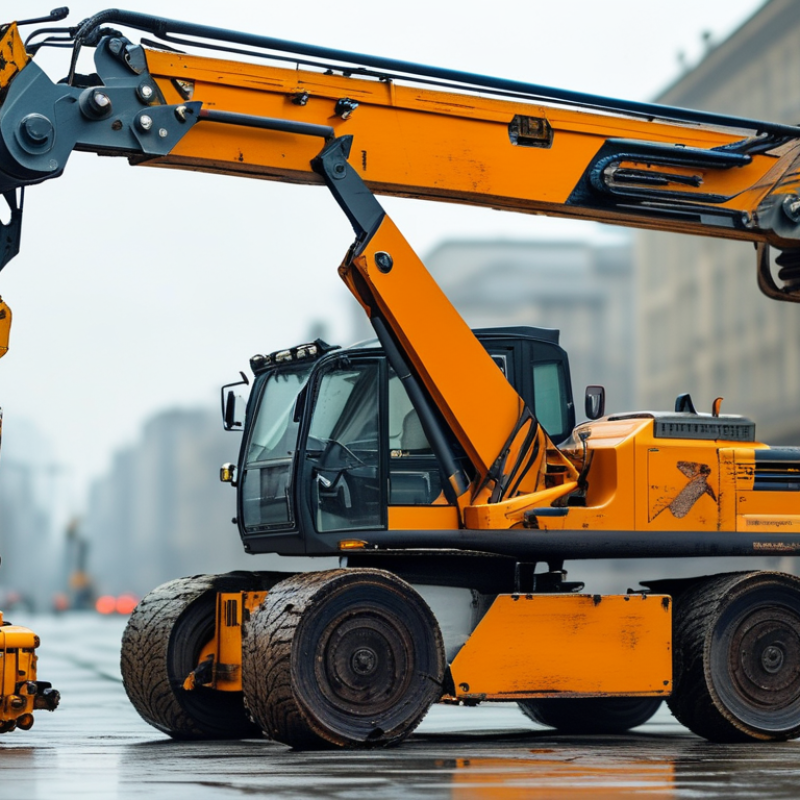
Hydraulic lifting systems are essential in various industries, yet they often face common faults. Identifying these faults and their underlying causes can save time and resources. According to industry reports, nearly 30% of hydraulic system failures stem from leaks, often due to worn seals or damaged hoses. Regular inspections can help identify these issues early.
Another common fault is inadequate fluid levels, which can lead to reduced lifting capacity. Research indicates that operators often overlook this aspect during routine checks. It is crucial to monitor fluid levels regularly as even a small drop can compromise safety and efficiency. Furthermore, air in the hydraulic lines is another prevalent issue, which can lead to sluggish performance. This condition typically occurs during improper maintenance or when the system is not bled correctly.
Interestingly, nearly 20% of users report that they neglect to keep their systems clean. Contaminants can cause significant damage over time, leading to costly repairs. Regular filtration and system cleanliness directly influence performance. Understanding these faults is key to maintaining the reliability of hydraulic lifting systems, fostering a safer work environment.
Hydraulic lifting systems play a crucial role in various industries. Their failures can halt operations. An effective troubleshooting process can save both time and money. According to a report by the Fluid Power Society, over 25% of hydraulic failures occur due to improper maintenance. Identifying common faults is the first step.
Begin by checking the hydraulic fluid level. Insufficient fluid can lead to performance issues. Examine oil leaks and connections carefully. A report from the American Society of Mechanical Engineers states that up to 30% of hydraulic power loss is related to leaks. Next, inspect the pump and motor for unusual sounds or vibrations. This can indicate internal wear or failure.
Understanding system pressure is essential. Inadequate pressure can lead to inadequate lifting capacity. Use a pressure gauge to verify that readings meet manufacturer specifications. Operations in extreme temperatures can also affect fluid viscosity, causing sluggish performance. Maintain consistent temperature control for optimal operation. Regular training and maintenance can reduce unexpected failures significantly.
| Fault Description | Possible Causes | Troubleshooting Steps | Repair Recommendations |
|---|---|---|---|
| Fluid Leakage | Damaged seals, loose fittings | Inspect seals and fittings for wear and tightness | Replace any damaged seals and tighten fittings |
| Slow Movement | Low hydraulic fluid, clogged filters | Check fluid levels and inspect filters | Top up hydraulic fluid and replace filters as necessary |
| Unresponsive Controls | Faulty control switch, electrical issues | Test control switch and inspect wiring connections | Replace the control switch or repair electrical connections as needed |
| Overheating | Excessive load, low fluid levels | Reduce load and monitor fluid levels | Add fluid and ensure the system is not overloaded |
| Noise During Operation | Air in the system, worn components | Bleed the hydraulic system and inspect components | Repair or replace worn components and eliminate air |
Hydraulic systems are crucial in various industries, yet they often suffer from leaks and seal issues. Effective repair methods are essential for maintenance. Reports indicate that nearly 30% of hydraulic system failures result from leakage. Addressing this promptly can save time and money.
When dealing with hydraulic leaks, the first step is identification. Regular inspections can reveal worn seals or damaged hoses. In fact, a study by the Hydraulic Industry Association found that over 50% of leaks occur at connection points. Using the right tools for inspection can enhance diagnostic accuracy. Simple ultrasonic leak detectors can pinpoint issues even in noisy environments.
Once leaks are found, repair techniques vary. Replacing seals is common but may not always be sufficient. In some cases, re-torquing fittings can restore integrity. Industry standards suggest using compatible seal materials to prevent future leaks. Additionally, adopting a proactive maintenance schedule can greatly reduce the frequency of these problems. However, even with the best practices, leaks can still occur, reflecting the need for ongoing vigilance and adaptability in repair strategies.
Properly adjusting and calibrating hydraulic controls is vital for maximizing the efficiency of hydraulic lifting systems. According to industry studies, improper calibration can lead to a 25% decrease in system performance. This statistic highlights the need for precision. Many operators overlook the simple checks. Regularly inspecting the pressure settings can prevent minor issues from escalating.
Calibration involves more than just setting parameters. It requires understanding the relationship between pressure, flow, and load capacity. A study indicated that 70% of hydraulic failures are attributed to user error in control adjustments. Operators must be trained to recognize when a system is out of balance. This training should include how to interpret gauge readings effectively.
Routine adjustments can mitigate wear on components. Regular maintenance schedules should incorporate checks of control valves and pressure sensors. Failing to do so may lead to inefficiencies that affect safety and productivity. Implementing a robust calibration protocol is essential. The risks of neglecting this aspect can lead to costly repairs and downtime. Awareness and training are the keys to optimal hydraulic system performance.
Hydraulic lifting systems are vital in various industries. Regular maintenance is key to preventing system failures. According to industry reports, up to 80% of hydraulic system failures stem from improper maintenance. A robust maintenance schedule ensures that components operate efficiently.
Tips for effective maintenance: check fluid levels regularly. Low fluid can lead to overheating and system malfunctions. Inspect hoses and connections for wear and leaks. Replacing worn parts promptly can avoid bigger issues later. Also, keep your system clean. Dirt and debris can compromise hydraulic fluid quality, leading to further problems.
Monitoring equipment performance is crucial. A slight decrease in lifting capacity may signal an underlying issue. Industry data suggests that timely identification of such signs can increase system lifespan by up to 30%. Regular checks reduce downtime too. Implement a thorough maintenance checklist to help ensure nothing is overlooked. Remember, even minor oversights can escalate into serious failures later on.
: Common faults include leaks, inadequate fluid levels, and air in the lines. Regular inspections help identify these issues.
Leaks, often from worn seals or damaged hoses, can cause nearly 30% of hydraulic failures. Timely repairs are essential.
Low fluid levels can reduce lifting capacity and compromise safety. Regular checks prevent significant issues.
Air in the lines can lead to sluggish performance. This often results from improper maintenance practices.
Neglecting cleanliness can lead to significant damage and costly repairs. Regular filtration is necessary for optimal performance.
Improper calibration can decrease system performance by 25%. Regular pressure checks can prevent this problem.
Operators must learn to recognize when systems are out of balance and how to interpret gauge readings effectively.
Regularly check fluid levels, inspect hoses, and keep the system clean to prevent failures and extend longevity.
Neglect can lead to inefficiencies, costly repairs, and increased downtime. Regular maintenance is crucial for reliability.
Small drops in lifting capacity may indicate underlying issues. Timely identification can enhance system lifespan.
In the article "Top 5 Ways to Fix Common Hydraulic Lifting System Faults," readers are introduced to essential strategies for addressing frequent issues encountered in hydraulic lifting systems. The text first emphasizes the importance of identifying common faults and their underlying causes, which is critical for effective troubleshooting. Following this, a systematic step-by-step troubleshooting process is outlined, providing a practical guide for diagnosing problems.
Additionally, the article covers effective methods for repairing hydraulic leaks and sealing issues, ensuring that systems maintain integrity. It also discusses the importance of adjusting and calibrating hydraulic controls to achieve optimal performance. Finally, readers are encouraged to adopt regular maintenance practices that can prevent future hydraulic system failures. Overall, the article serves as a comprehensive resource on how to solve common faults of hydraulic lifting systems, making it invaluable for technicians and operators alike.

Benefits Machinery